
Why we love this trip!
- Trek through some of the remotest parts of PNG
- Experience the wonderful hospitality of the Simbu highlanders
- Climb the highest peak in PNG
- Witness awesome views from her summit
- Feast on delicious fruits grown in one of PNG’s few temperate regions
Overview
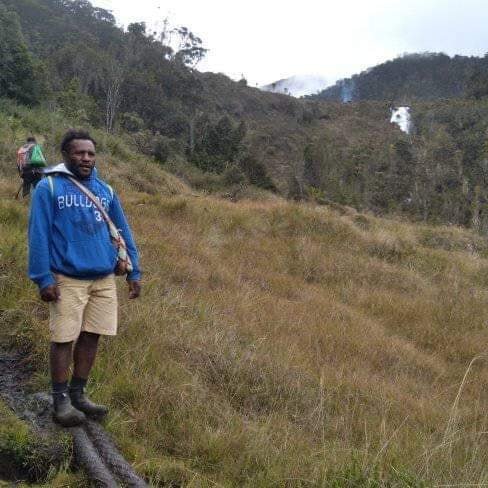
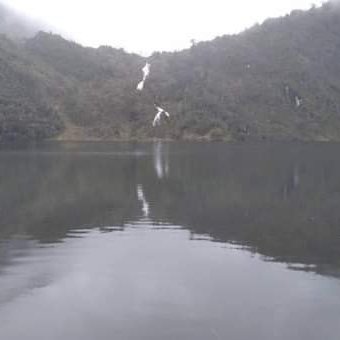
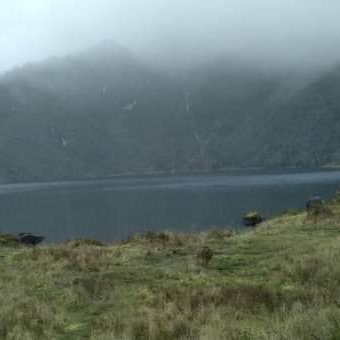
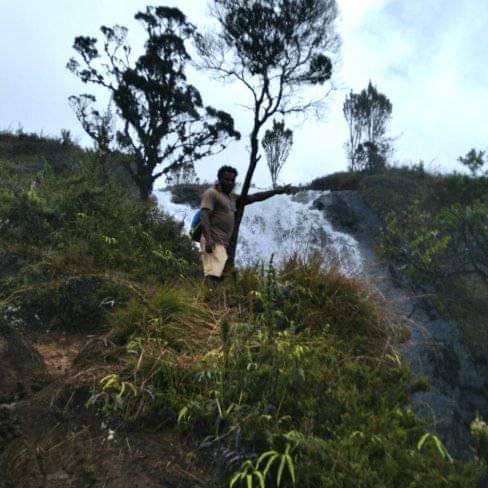
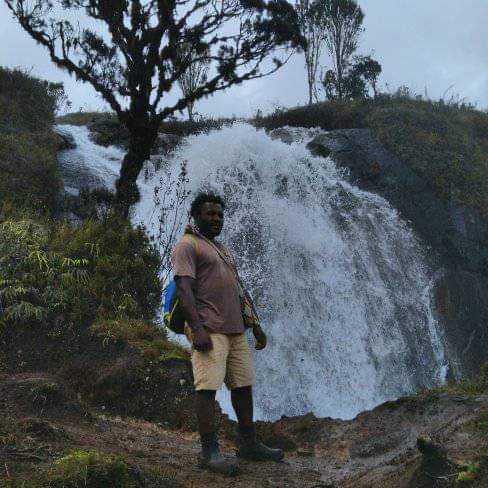
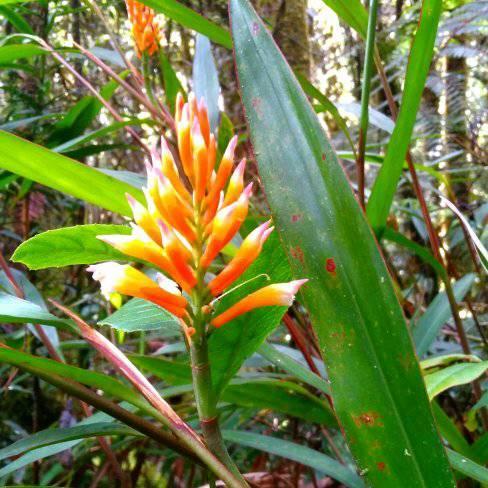
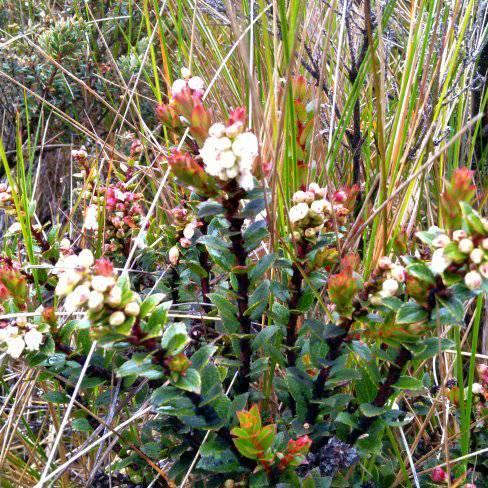
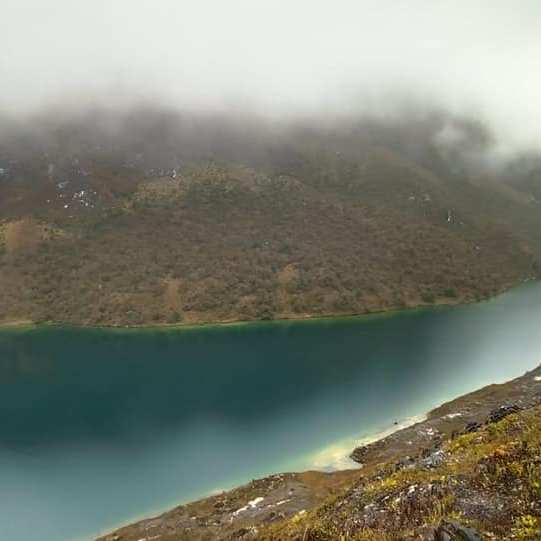
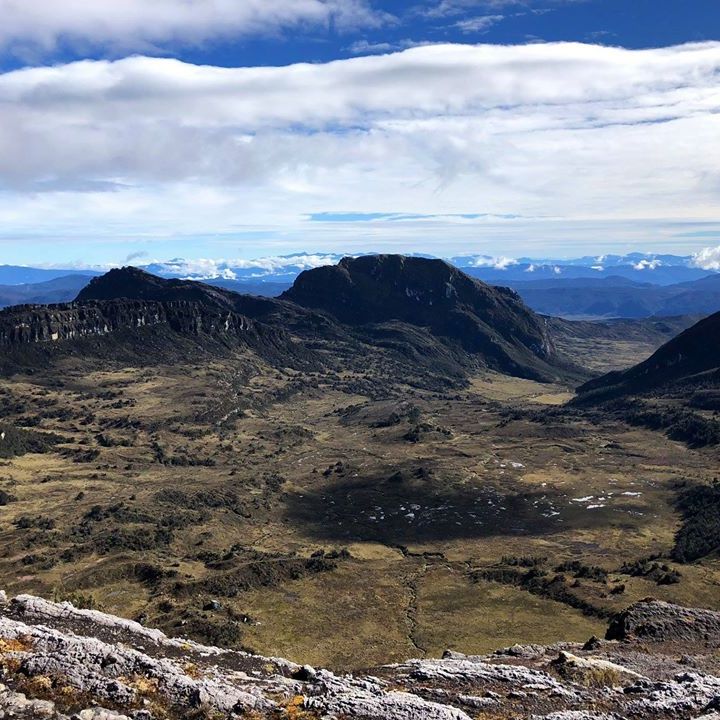
Mt.Wilhelm is the highest peak in Papua New Guinea, at 4,509m/14,880ft. The expedition crosses rivers, climbs through moss forests (home of several birds of paradise), alpine grasslands and glacial valleys. To add to this there are amazing views of the North Coast and surrounding valleys. Once the summit is reached, the exit is by the usual summit route, down to Keglsugl via Lake Piunde.
This expedition will give you a great appreciation of highland life and custom. We will see things in and around Hagen and Keglsugl that are found nowhere else in this diverse nation.
Itinerary
Trip Overview
Day 1-Arrive in Mt.Hagen. Meet, greet, and transfer from Mt.Hagen to Kegesugle. Overnight: Betty’s Lodge (D).
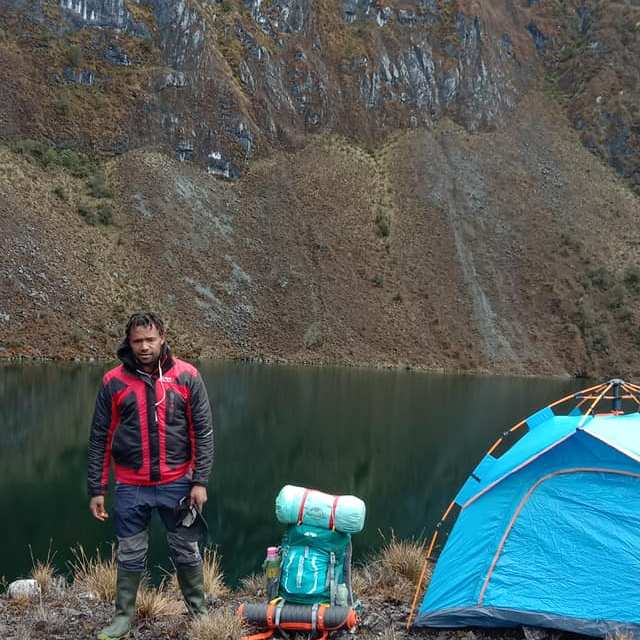
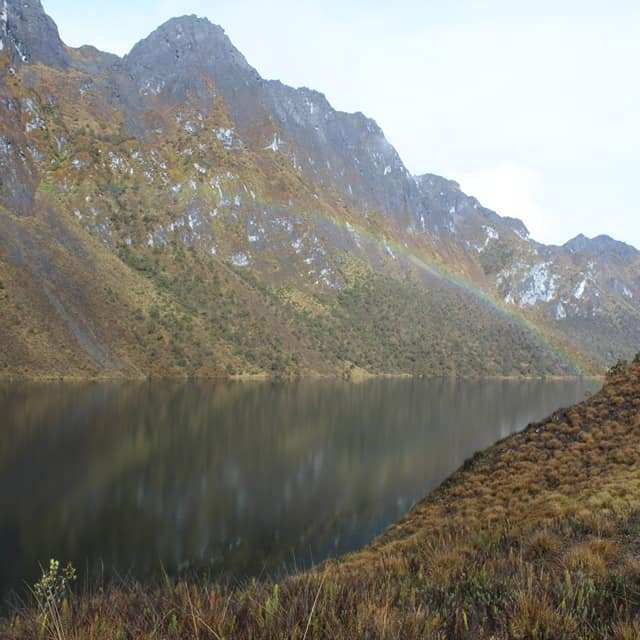
Day 2 – First day Trek from Betty’s Lodge through the rainforest up into the Savanah grassland and finally arriving at Lake Piunde Basecamp. Overnight: Lake Piunde Hut (BLD).
Day 3 – Second day Trek from Lake Piunde to the Summit (6-7 hours hike). Viewing and photo shootings and Trek back to Lake Piunde Basecamp. Rest, have light snacks, lunch, and kopi. Trek back to Betty’s Lodge. Warm shower and dinner of Trout and fresh vegetables. Overnight: Betty’s Lodge (BLD).
Day 4 – Transfer from Kegesugle to Mt.Hagen and connect on PX183 Mt.Hagen to Port Moresby 13:30/14:30.
End of Tour!
This expedition is also open to Private Trips. To run we will need a minimum of 2 trekkers for a Private Trip. You can choose any date you like.
Please let us know what time of year you are interested in travel and we will take care of the rest.
LIFE ON THE MOUNTAIN
The top of the Wilhelm Massif gets very cold indeed. Above 2700m frost occurs and at times snow falls above 4000m. Strong, cold winds are common and rain and mist can occur suddenly turning visibility to only a few metres.
The sky around Wilhelm is usually clear in the early morning, but by nine the fog that is laying low in valley, lifts. Large cloud formations gather at higher altitudes and by midday intermittent mist and showers occur, usually until sunset. Summit attempts are usually made around 1am to avoid the mid-morning clouds. Views from the summit at sunrise are simply awesome.
HEALTH AND SAFETY
Mt Wilhelm should not be underestimated. Exposure to the elements can be a problem, whether it’s the cold or sunlight.
A combination of wind, wet clothing, fatigue and hunger, even if the air temperature is well above freezing, can lead to hyperthermia. Likewise, you can burn deceptively fast. There is less atmospheric protection at higher altitudes and the fact you’re not hot doesn’t mean you’re not boiling.
Note:
– While this is a non-technical trek, it is a difficult walk. In several places a steep scramble is required. The walk requires a reasonable level of fitness to complete.
– Travel insurance including medical evacuation is considered mandatory
– Visas are available from the nearest PNG consul (or Australian consul if a PNG one is not available)
MT WILHELM
Mt. Wilhelm is named after Kaiser Wilhelm of Germany and was first climbed in the mid-1930’s. Mt. Wilhelm in the Simbu language is called Enduwa Kombugu, and in the Upper Jimi Language (the language spoken in Ambullua) it is called Korikhl Khu. It covers an area of about 100 sq. km/40 sq. miles. To the North is a steep drop off to the Ramu Valley (from over 4,000m/13,200ft to less than 600m/2,000ft in only 13km/8miles). Its steep glacial valleys were carved out during the last ice-age (the Pleistocene period – approximately 10,000 years ago), the interface between the grasslands and the forest marks the snow line from this period. The mountain is climbed by both Papua New Guineans and International visitors alike via the normal Keglsugl route.
SIMBU CULTURE
All the tribal groups that live in the Simbu Province are known as the Simbu. The name is derived from simbu which means “very pleased”. Apparently, the first Europeans who walked through the region in the 1930’s gave the locals gifts. The locals were very pleased with these gifts and responded by saying simbu, simbu!. The Europeans didn’t know what they meant and thus called them and the area Simbu.
Approximately 8 distinct languages are spoken in the Simbu Province.
Inclusions
- All domestic scheduled flights within PNG
- 2 nights accommodation in Port Moresby at Holiday Inn
- Government Taxes
- All meals on the expedition component (6 Breakfast, 3 Lunches and 4 Dinners)
- All accommodation outside of Port Moresby
- 1 x Local Guide
- 3 nights accommodation along the trek.
- Return airport transfers and getting clients in Port Moresby and Mt Hagen.
- Vehicle transfer from Kegsugl to Mt Hagen.
- Refreshments at the end of track.
- Use of Base Camp hut and facilities
Exclusions
- International airfares
- Travel insurance
(Sources: From travel partner]
 Trek-Papua